
In recent global health news, a suspected outbreak of Hantavirus aboard a Netherlands-based cruise ship has raised international concern after reports emerged that three people died and several others fell seriously ill. The incident once again highlighted the dangers posed by zoonotic diseases and the importance of public health preparedness.
For aspirants preparing for UPSC, RAS, SSC, and other competitive examinations, Hantavirus is important from the perspective of Science & Technology, Health Issues, Disaster Management, and Current Affairs.
What is Hantavirus?
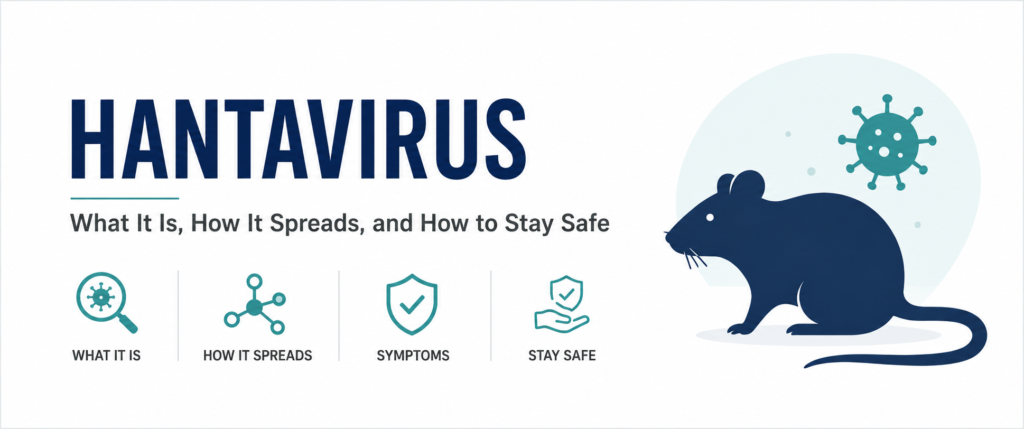
Hantavirus is a rodent-borne viral disease caused by different strains of hantaviruses carried mainly by rats and mice. Humans become infected primarily through contact with infected rodent urine, saliva, or droppings.
The virus belongs to the family of zoonotic diseases, meaning diseases that spread from animals to humans.
Unlike common viral infections, Hantavirus can lead to severe and life-threatening complications affecting either the lungs or kidneys.
Latest News on Hantavirus
Recently, a suspected Hantavirus outbreak was reported on a Netherlands-based cruise ship where:
- Three people reportedly died
- Three others became ill
- Health authorities initiated medical investigations and containment measures
The incident has brought renewed attention to infectious disease monitoring in crowded international travel systems such as cruise ships.
How Does Hantavirus Spread?
Hantavirus does not usually spread from person to person. The primary mode of transmission is through exposure to infected rodents or contaminated environments.
Main Modes of Transmission
- Inhalation of virus particles from dried rodent urine or droppings
- Contact with contaminated surfaces
- Touching mouth, nose, or eyes after handling infected material
- Rarely through rodent bites
People working in farms, forests, warehouses, old buildings, military camps, or poorly sanitized areas face higher risk.
Types of Diseases Caused by Hantavirus
Hantavirus mainly causes two serious illnesses:
1. Hantavirus Pulmonary Syndrome (HPS)
HPS primarily affects the lungs and respiratory system.
Key Features
- Severe breathing difficulty
- Fluid accumulation in lungs
- Respiratory failure
- High fatality rate of around 40%
HPS is mainly reported in North and South America.
2. Haemorrhagic Fever with Renal Syndrome (HFRS)
HFRS mainly damages the kidneys and blood vessels.
Major Symptoms
- Low blood pressure
- Internal bleeding
- Acute kidney failure
- Shock in severe cases
This form is more commonly found in Europe and Asia.
Symptoms of Hantavirus Infection
Symptoms usually appear 1 to 8 weeks after exposure to contaminated rodent material.
Early Symptoms
- Fever
- Fatigue
- Muscle pain
- Headache
- Chills
- Nausea
Advanced Symptoms
- Persistent coughing
- Shortness of breath
- Chest tightness
- Fluid in lungs
- Kidney dysfunction
The disease can rapidly become critical if not treated promptly.
Diagnosis of Hantavirus
Doctors diagnose Hantavirus through:
- Clinical symptoms
- History of rodent exposure
- Blood tests
- PCR-based laboratory tests
Early detection is extremely important because the disease progresses rapidly.
Is There Any Treatment for Hantavirus?
Currently, there is no specific antiviral treatment or vaccine available for Hantavirus infection.
Supportive Care Includes
- Oxygen therapy
- Fluid management
- Intensive care support
- Mechanical ventilation in severe respiratory cases
- Dialysis in kidney failure cases
Early hospitalization significantly improves survival chances.
Prevention Measures
Since rodents are the primary carriers, prevention mainly focuses on sanitation and avoiding exposure.
Important Preventive Steps
- Keep homes and workplaces clean
- Seal rodent entry points
- Avoid contact with rodent droppings
- Wear gloves and masks while cleaning contaminated areas
- Properly disinfect rodent-infested spaces
- Store food securely
Public awareness and hygiene remain the strongest defense against the disease.
Why is Hantavirus Important for UPSC & Competitive Exams?
Hantavirus is important for examination preparation because it relates to:
- Emerging infectious diseases
- Public health emergencies
- Zoonotic diseases
- Global health governance
- Epidemiology and disease transmission
- Disaster and pandemic preparedness
Questions may be asked in:
- UPSC Prelims
- UPSC Mains GS Paper III
- RAS Prelims & Mains
- SSC & Banking Current Affairs
Conclusion
Hantavirus is a dangerous rodent-borne viral disease capable of causing severe lung and kidney complications with high fatality rates. The recent suspected outbreak on a cruise ship demonstrates how rapidly infectious diseases can become international concerns in an interconnected world.
Although no specific cure exists, early diagnosis, supportive medical care, proper sanitation, and rodent control are essential for prevention and management. For civil services aspirants, understanding such emerging diseases is crucial from both current affairs and public health perspectives.
FAQs on Hantavirus
Q1. What is Hantavirus?
Hantavirus is a rodent-borne virus that spreads through contaminated air particles from rodent urine, saliva, or droppings.
Q2. How does Hantavirus spread?
It mainly spreads when humans inhale airborne particles contaminated with infected rodent waste.
Q3. Is Hantavirus contagious between humans?
Generally, Hantavirus does not spread from person to person.
Q4. What are the major diseases caused by Hantavirus?
The virus causes:
- Hantavirus Pulmonary Syndrome (HPS)
- Haemorrhagic Fever with Renal Syndrome (HFRS)
Q5. What are the symptoms of Hantavirus?
Symptoms include fever, fatigue, muscle pain, coughing, breathing difficulty, and kidney-related complications.
Q6. Is there a vaccine for Hantavirus?
Currently, there is no approved vaccine or specific antiviral treatment for Hantavirus infection.
Q7. Why is Hantavirus in the news recently?
It is in the news because a suspected outbreak on a Netherlands-based cruise ship reportedly caused multiple deaths and illnesses.
For more UPSC, RAS, SSC, and Current Affairs content, visit:
Akanksha IAS
Bahut hi Shandar sir